
Post-Traumatic Stress Disorder (PTSD) remains a complex and challenging condition to treat, often requiring a combination of therapies to achieve long-term recovery. While traditional approaches such as Cognitive Behavioural Therapy (CBT) and Eye Movement Desensitisation and Reprocessing (EMDR) have proven effective, new treatments are emerging to enhance recovery outcomes for individuals living with PTSD.
Emerging PTSD Treatments
Recent advancements in PTSD therapy focus on combining traditional methods with innovative approaches to improve treatment efficacy. A report published by Le Monde explores several promising interventions (Le Monde, 2024). These include:
- Transcranial Magnetic Stimulation (TMS) Combined with Trauma Memory Reactivation – TMS, a non-invasive brain stimulation technique, is being explored alongside memory recall therapy to help patients process trauma more effectively.
- Virtual Reality Exposure Therapy (VRET) – By immersing individuals in controlled virtual environments that simulate traumatic experiences, VRET helps desensitise and reprocess traumatic memories.
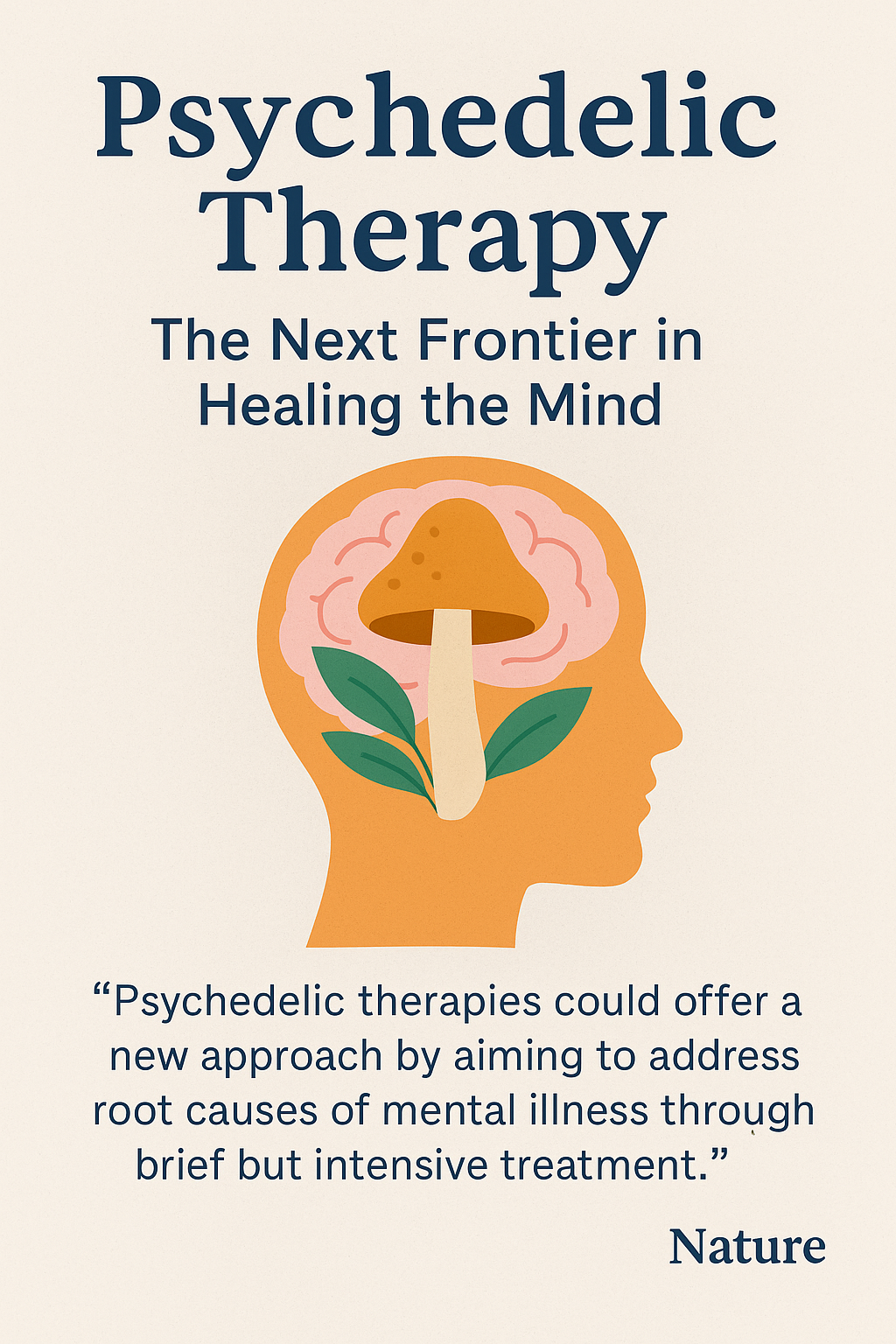
- Chemically Facilitated Therapy – The use of pharmacological agents, such as MDMA-assisted therapy and ketamine treatments, aims to enhance emotional processing and reduce trauma-related symptoms.
The British Psychotherapy Institute’s Perspective
The British Psychotherapy Institute (BPI) recognises the potential benefits of integrating new technologies and approaches into PTSD treatment. However, the BPI also emphasises the importance of:
- Scientific Rigour – Ensuring all new treatments undergo extensive clinical trials to assess their long-term safety and effectiveness.
- Ethical Application – Implementing innovative therapies in a way that prioritises client safety and informed consent.
- Therapist Training – Providing mental health professionals with the necessary knowledge and skills to integrate emerging PTSD treatments into their practice.
The Future of PTSD Treatment
With ongoing advancements in psychotherapy and neuroscience, a multidisciplinary approach to PTSD treatment is becoming more attainable. As research continues to explore the effectiveness of TMS, VRET, and chemically facilitated therapies, mental health professionals must remain informed and adaptable to ensure patients receive the best possible care.
The British Psychotherapy Institute remains committed to evaluating and supporting scientifically backed innovations in PTSD treatment, ensuring that individuals receive effective, ethical, and personalised care.