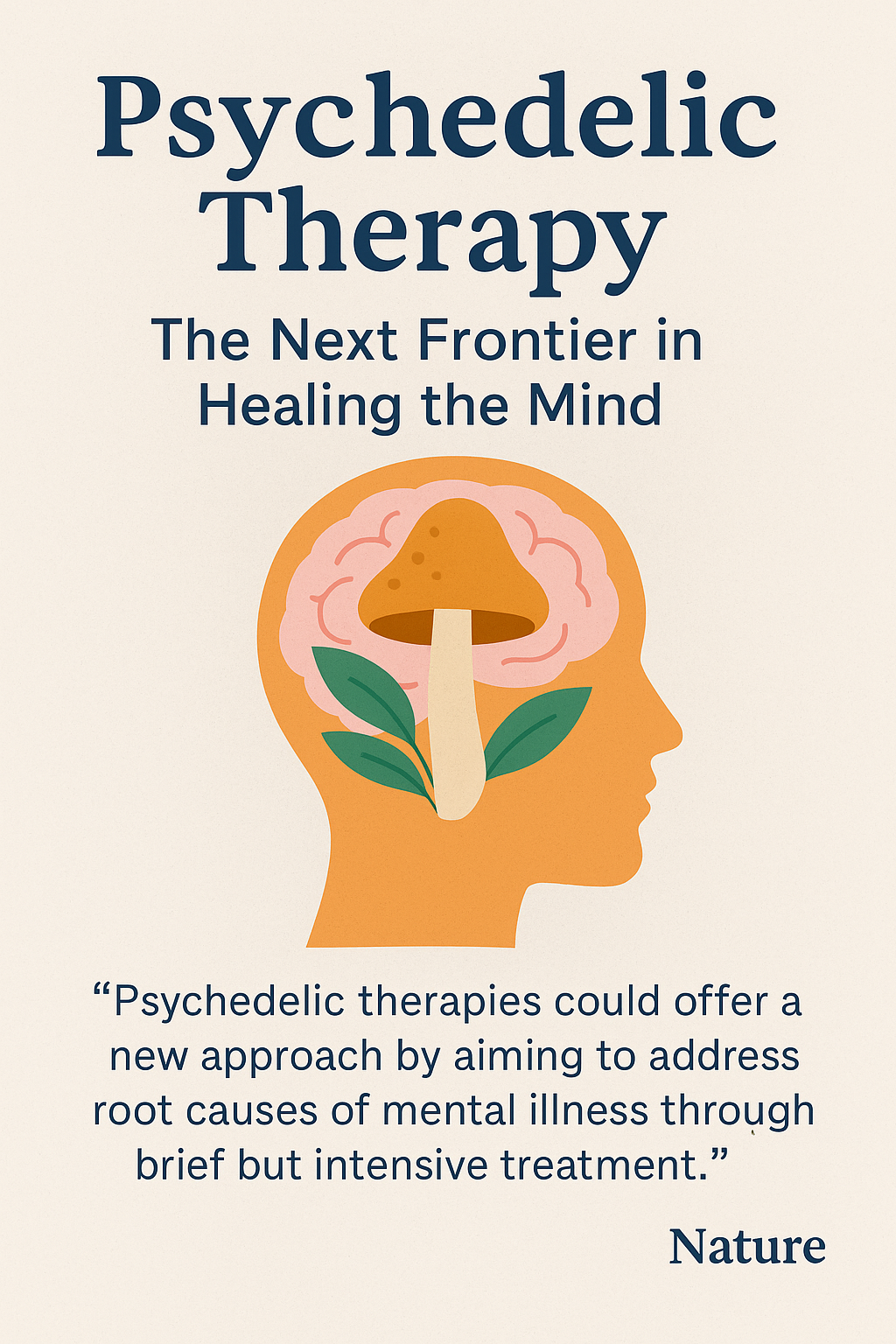

The potential of MDMA-assisted psychotherapy for treating PTSD has been a topic of growing interest and controversy in recent years. As mental health professionals explore alternative treatments for trauma, psychedelics like MDMA have emerged as possible tools for therapeutic breakthroughs. However, concerns over research methodology, patient safety, and regulatory oversight have led to significant debate within the field.
The FDA Advisory Panel’s Decision
In June 2024, an advisory panel to the U.S. Food and Drug Administration (FDA) voted against approving MDMA-assisted therapy for PTSD, citing multiple concerns. According to the panel, issues related to research credibility, study design flaws, and participant safety outweighed the reported benefits of the treatment. Despite promising preliminary results, the panel found that more rigorous clinical trials are needed to ensure long-term safety and efficacy before MDMA-assisted psychotherapy can be widely implemented.
The Science Behind MDMA-Assisted Therapy
MDMA, commonly known as ecstasy, has been studied for its ability to enhance emotional processing and reduce fear responses, making it a potential complement to traditional talk therapy. Clinical trials conducted by organisations such as Lykos Therapeutics have suggested that MDMA may help trauma survivors process painful memories with greater emotional resilience. The psychedelic properties of MDMA are thought to facilitate a heightened sense of trust and openness, which can help clients engage more deeply in therapy sessions.
However, critics argue that the studies supporting MDMA therapy have suffered from bias, inconsistent methodologies, and lack of independent replication. Safety concerns, particularly regarding the risk of substance abuse, adverse psychological reactions, and long-term neurobiological effects, remain central to the discussion.
The British Psychotherapy Institute’s Perspective
The British Psychotherapy Institute (BPI) recognises the need for innovative approaches to treating PTSD but emphasises the importance of scientific integrity and patient safety in adopting new treatments. While MDMA-assisted psychotherapy shows potential, the BPI urges:
- Strict ethical guidelines for clinical trials and therapist training.
- Independent peer-reviewed research to validate findings.
- Patient protection measures to prevent misuse and ensure informed consent.
- A cautious approach to regulation, ensuring treatments are introduced responsibly.
The Future of MDMA in Psychotherapy
The rejection by the FDA panel does not mark the end of MDMA-assisted therapy, but it signals the need for more comprehensive research and regulatory discussions. Proponents argue that additional trials, refined methodologies, and clearer safety protocols could pave the way for eventual approval. Meanwhile, the conversation around psychedelic-assisted therapy continues to evolve, with ongoing studies and advocacy shaping the future landscape of trauma treatment.
As the field progresses, organisations like the British Psychotherapy Institute remain committed to ensuring that all therapeutic advancements uphold the highest standards of clinical validity, ethical practice, and patient welfare.